Explore technical resources, application notes and expert insights to help you choose the right solution and get the most from your laboratory instruments.
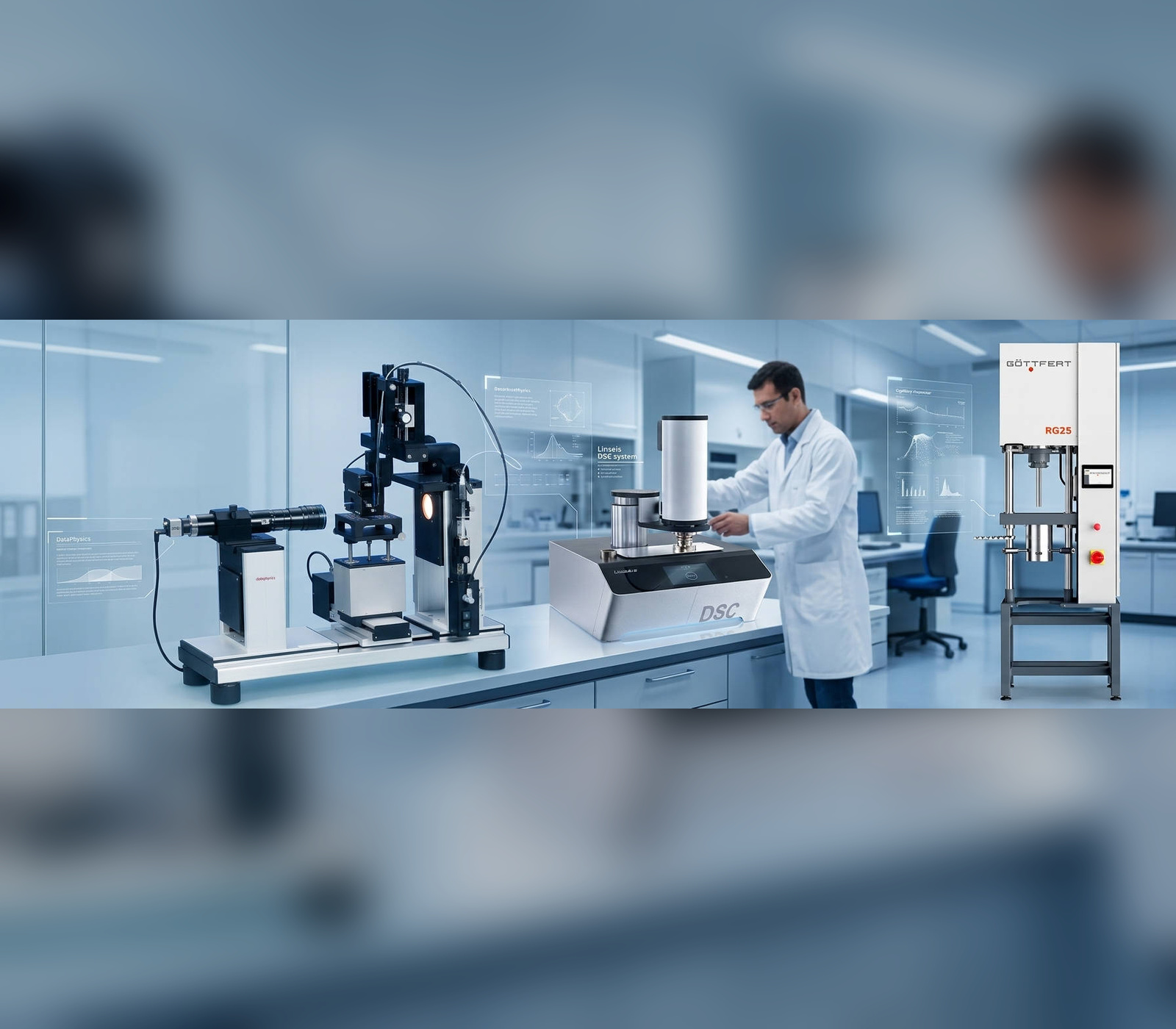
Explore technical resources, application notes and expert insights to help you choose the right solution and get the most from your laboratory instruments.
KNOWLEDGE CENTER
Browse by Category

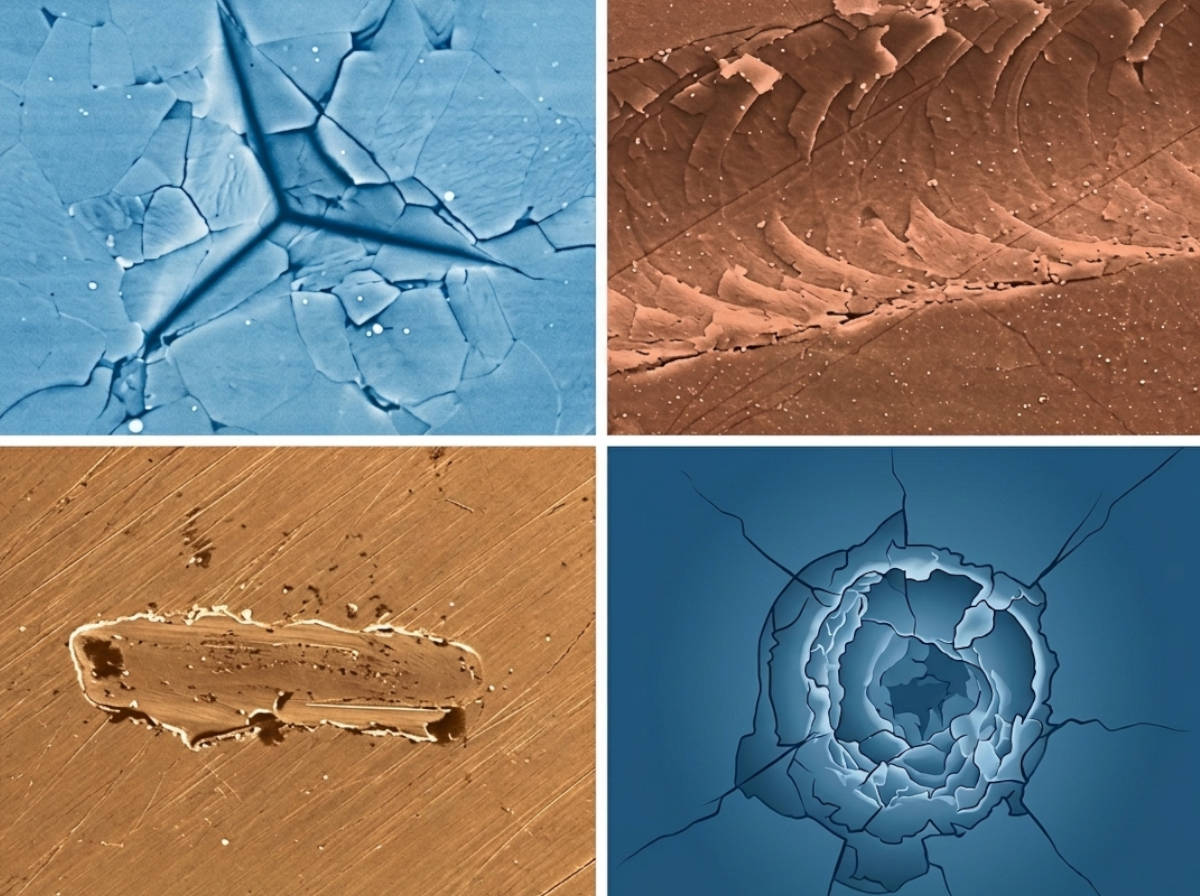
Tribology, Surface & Nanomechanical Testing
Scratch, Wear, Nanoindentation
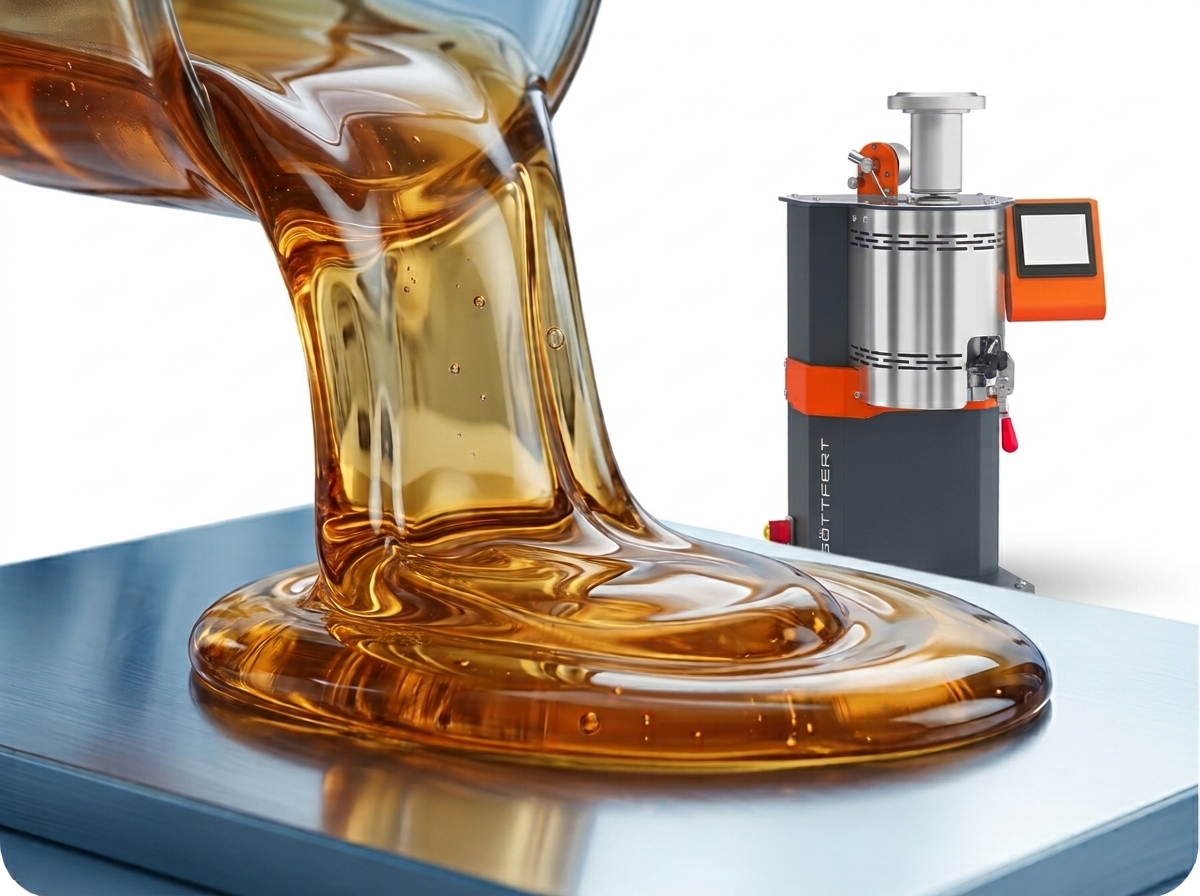
Polymer, Rubber & Rheology
Viscosity, Viscoelasticity, MFI, Extrusion
Featured Articles
Surface Analysis & Characterization
Manufacturer Application note
High-Precision Droplet Dosing for Wettability Analysis on Small Structures Using the FDDS FlexDrop Dosing System
Overview:
Characterizing surface wettability on microelectronic devices, medical implants, and precision components often requires analyzing areas too small for conventional microlitre syringes. The DataPhysics FDDS FlexDrop dosing system solves this by generating stable, reproducible droplets down to 25 pL using an inertia-driven, pressure-neutral mechanism.
Key Takeaways:
Interchangeable cartridge orifice sizes (30µm to 150 µm) allow you to tailor droplet volumes from ~35 pL to 1900 pL, fitting restricted test areas while maintaining consistent contact angle accuracy.
Source: DataPhysics Instruments GmbH
Surface Analysis & Characterization
Manufacturer Application note
PCA 200: Portable Contact Angle Measurements According to ASTM D8597-24
Overview:
Ensuring proper surface cleanliness and wettability prior to coating, bonding, or printing requires reliable quality control. This application note demonstrates how the DataPhysics PCA 200 Portable Contact Angle Goniometer evaluates aluminium surface treatment, lubrication, and cleaning stages in full compliance with the ASTM D8597-24 standard.
Key Takeaways:
Featuring a lightweight, cable-free design with automatic dual-liquid dosing, the PCA 200 delivers contact angles and surface free energy (SFE) calculations within seconds. Testing successfully tracked the transition of aluminium surfaces from as-received, lubricated, and cleaner-treated states through to final water rinsing.
Source: DataPhysics Instruments GmbH
Tribology, Surface & Nanomechanical Testing
Manufacturer Application note
Nano-Impact Testing of DLC Coatings for Automotive Engine Applications
Overview:
While diamond-like carbon (DLC) coatings reduce friction in automotive powertrains, they often exhibit poor durability under severe, intermittent boundary-lubrication loads. This application note demonstrates how the Micro Materials NanoTest Vantage uses dynamic nano-impact testing to evaluate the impact fatigue, fracture toughness, and damage tolerance of DLC coatings on tool steel.
Key Takeaways:
High-strain-rate repetitive impact testing reveals that hydrogen-free amorphous carbon (a-C) coatings possess significantly superior impact resistance compared to hydrogen-containing (a-C:H) variants, despite lower hardness. The findings emphasize that optimal component lifetime relies on balancing hardness with toughness rather than maximizing hardness alone, which can induce brittle failure.
Source: Micro Materials Ltd
Polymer, Rubber & Rheology
Manufacturer Application note
D-Melt: A Polymer Flow Analyzer for Both Shear and Elongational Determination
Overview:
While conventional melt flow testing evaluates only viscous flow behavior, processing methods like blown-film extrusion, blow-molding, and calendering depend heavily on polymer melt elasticity and elongation. The Göttfert D-MELT combines a high-performance mi40 melt flow tester with an integrated haul-off extensional rheometer to determine both the melt index (MFR/MVR) and melt elongation/viscosity in a single, rapid measurement.
Key Takeaways:
By integrating a precision servo-driven winding drum and a sensitive force sensor, the system captures melt strength (ME-value) and drawdown behavior under realistic conditions. This provides enhanced selectivity for detecting structural differences like molecular weight distribution and branching in polymers that share identical MFR values, offering a quick, cost-effective quality control solution.